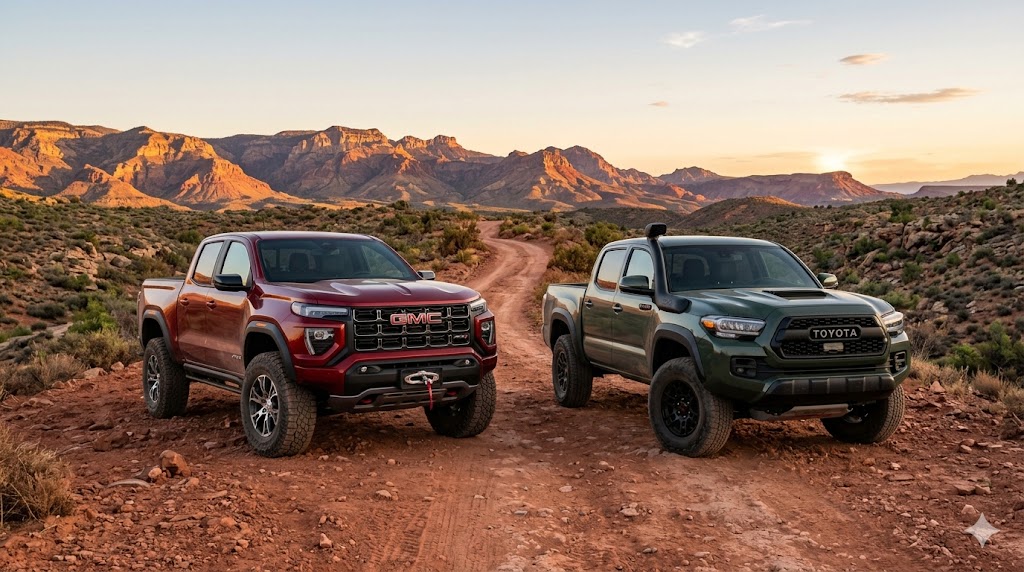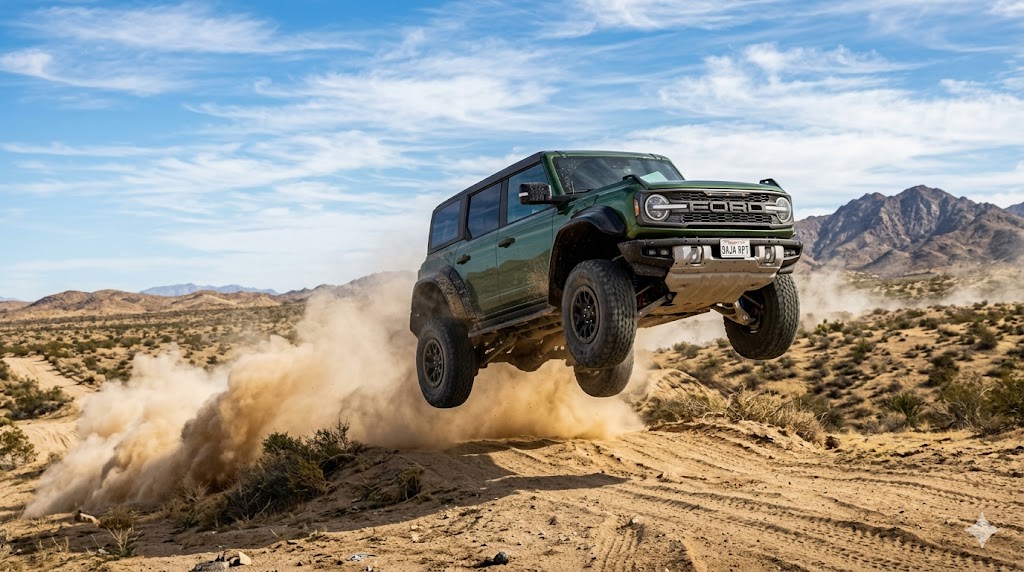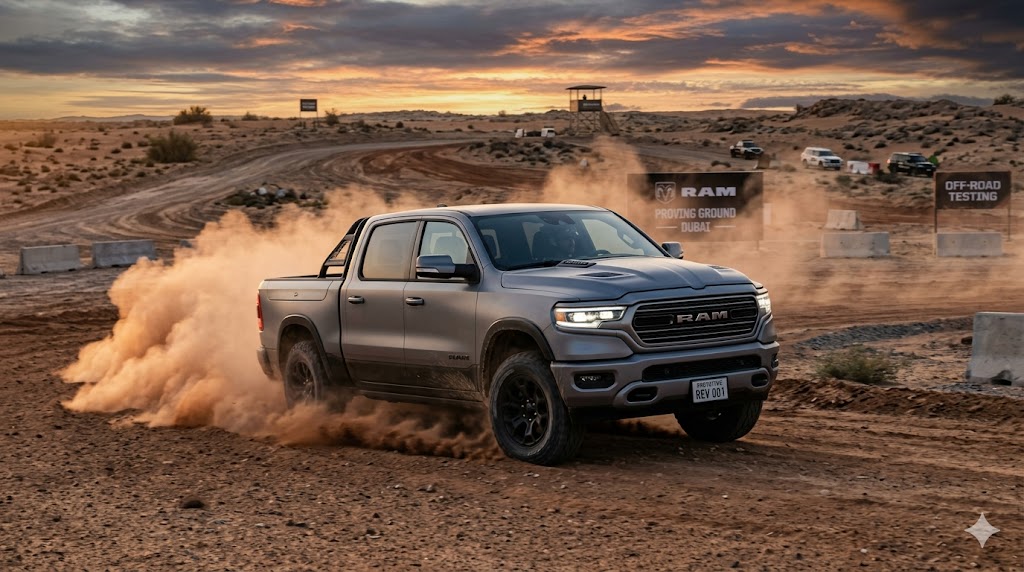
Put a dedicated rock crawler and a trail-running overland rig side by side and you'd be forgiven for thinking they belong to different hobbies entirely. One looks like it barely survived a demolition derby, riding on tires taller than a toddler with a suspension that flexes like a slinky. The other looks like a slightly raised daily driver with a roof rack and a full tank of gas. Both are built for dirt, and both are built by people who take their vehicles seriously, but the priorities behind each build point in almost opposite directions.
What Each Discipline Actually Demands
Rock crawling is slow, technical, and deliberate. It's about placing tires precisely on a boulder field, climbing obstacles a few feet at a time, and using suspension articulation and low-range gearing to keep all four tires in contact with uneven, often vertical-feeling terrain. Speed is rarely the goal and is often actively dangerous; a rock crawling vehicle spends most of its life moving at a walking pace or slower, with a spotter outside the vehicle calling line choices.
Trail running, sometimes called trail riding depending on the region, is closer to what most overlanders and off-road enthusiasts actually do most of the time: covering real distance over varied terrain, from graded dirt roads to moderately technical sections, at speeds that range from a cautious crawl up to highway-adjacent pace on open stretches. It rewards a vehicle that can maintain momentum, handle washboard and ruts without beating up the occupants, and cover 50 or 100 miles in a day without drama. The two disciplines share a love of getting off pavement, but the vehicles that excel at one are frequently mediocre at the other.
Suspension: Articulation vs Composure
A rock crawling build chases articulation above almost everything else. Long-travel suspension, often with a solid axle front and rear, allows the vehicle to keep tires planted even as the frame tilts at extreme angles over uneven rock. Coil springs, high-quality remote-reservoir shocks, and sometimes a disconnecting sway bar system let the suspension move independently of the chassis far more than any stock setup would allow. This articulation is close to useless at speed; a suspension tuned purely for slow-speed flex will often feel wallowy, unstable, or downright dangerous if pushed hard on an open trail.
A trail-running build instead wants composure at a range of speeds. Suspension here is tuned to soak up washboard and small- to medium-sized bumps at pace without transmitting every impact into the cabin, while still offering some articulation for the occasional rutted or off-camber section. This usually means a more moderate lift, if any, paired with quality shocks that control the ride rather than maximizing flex. A trail runner's suspension prioritizes predictability at speed over the last few inches of wheel travel, because predictability is what keeps a fast-moving vehicle pointed the right direction when the trail throws a surprise.
Tires, Gearing, and the Speed Trade-Off
Rock crawlers commit hard to sticky, tall mud-terrain or specialized rock-crawling tires, often at larger diameters than most trail vehicles would ever run, paired with low tire pressures for maximum contact patch and conformability over rock. Combined with a low crawl ratio from the transfer case and differential gearing, the whole drivetrain is optimized to produce huge amounts of torque at very low speed, sacrificing anything resembling comfortable highway manners in the process. Many dedicated rock crawlers are trailered to the trailhead rather than driven there, because the gearing, tire choice, and suspension setup make daily or highway driving unpleasant or impractical.
Trail-running builds lean toward all-terrain tires that balance grip on dirt and rock with reasonable tread life and highway noise, since these vehicles are expected to drive themselves to the trail and back, sometimes across state lines. Gearing stays closer to stock or receives a modest re-gear to compensate for slightly larger tires, but nobody building a trail runner is chasing the extreme low-range crawl ratios that define a dedicated rock crawler. The entire drivetrain philosophy is about sustainable, comfortable range rather than maximum technical capability at a crawl.
Armor, Recovery, and What Breaks
Because rock crawling vehicles are deliberately placed onto and dragged across rock, they carry heavy, purpose-built armor: rock sliders that can bear the vehicle's full weight, skid plates rated for repeated impact, and often a stripped-down interior to save weight and reduce the cost of damage. Breakage is expected and somewhat normalized in the rock crawling community; axles, u-joints, and steering components take a beating, and a serious rock crawler often carries spare parts and tools that would look excessive on any other kind of build.
Trail-running vehicles carry armor too, but it's generally lighter and aimed at protecting against occasional rock strikes and branch damage rather than sustained abuse. Recovery gear on a trail runner leans toward self-recovery tools for the rare stuck situation: traction boards, a basic tow strap, maybe a small winch. A rock crawler's recovery kit is more elaborate by necessity, often including a proper winch, snatch blocks, and a wider range of recovery points, because getting stuck or hung up on an obstacle is a routine part of the activity rather than a rare mishap.
Which Build Should You Actually Choose
The honest answer for most people is that a trail-running build serves a far wider range of real use, because most off-road driving in a given year is exactly that: covering ground, not crawling over boulders. Rock crawling is a deeply specific, deeply rewarding niche, but it demands a vehicle that's genuinely compromised for anything else, including the drive to and from the trailhead. If you're drawn to the technical challenge and the community around it, build for rock crawling and accept the trade-offs. If you want a vehicle that gets you into the backcountry, covers real miles, and still drives reasonably on the highway, a trail-running build, or a stock vehicle with modest upgrades, will serve you far better.
Key Takeaways
- Rock crawling prioritizes slow-speed articulation and torque, while trail running prioritizes composure and range at varied speeds.
- Rock crawler suspensions maximize wheel travel at the cost of highway stability; trail runners tune for predictable, comfortable handling.
- Tire and gearing choices diverge sharply: rock crawlers run tall, low-pressure tires with extreme low-range gearing; trail runners balance grip with drivability.
- Rock crawling builds accept regular breakage and carry heavier armor and recovery gear as a result.
- Most people's actual off-road use matches the trail-running discipline far more than dedicated rock crawling.
- Bottom line: choose your build based on which activity you actually do most, not which one looks more impressive in photos.