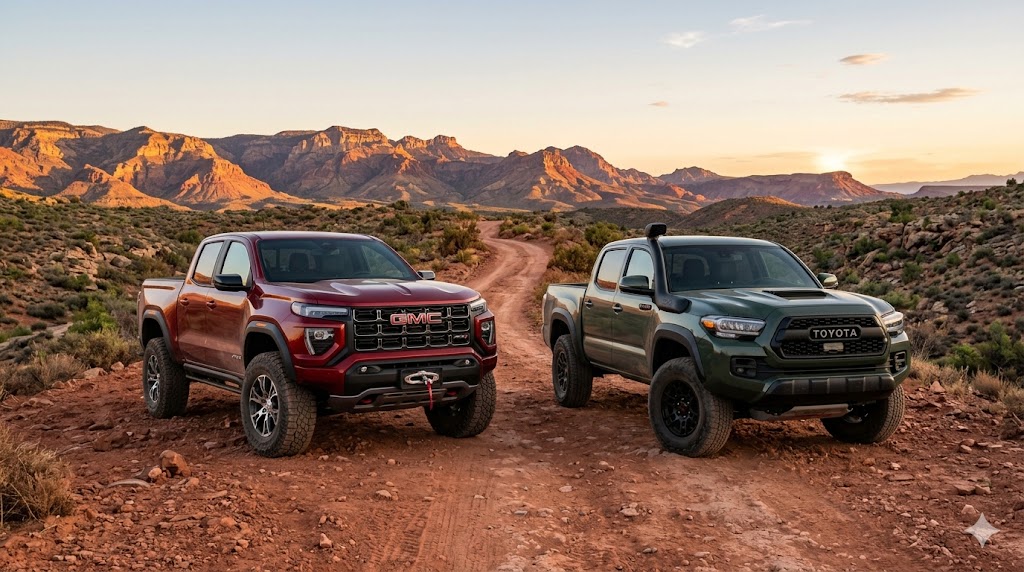
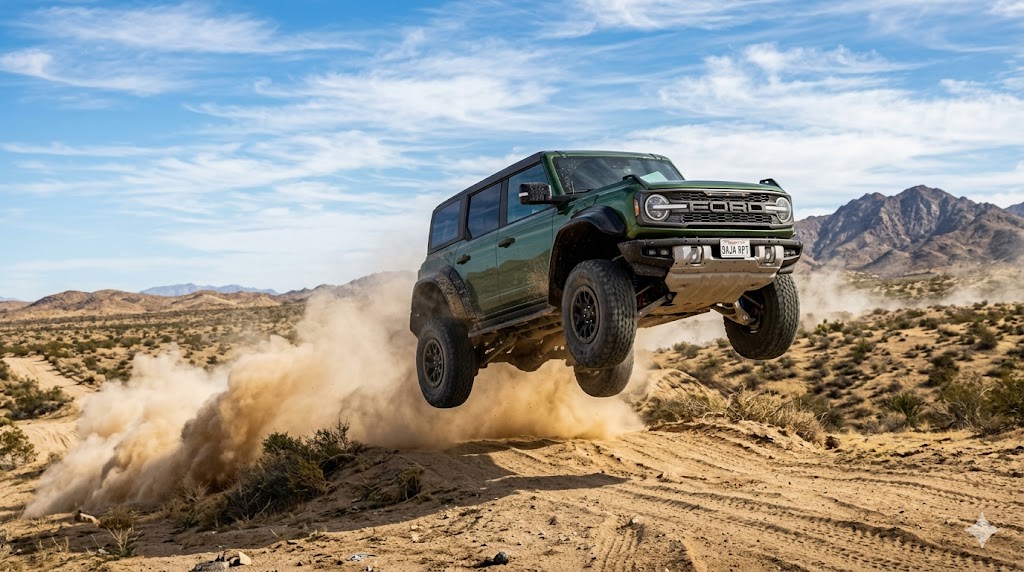
The fastest way to ruin your enthusiasm for overlanding is to spend your first year's budget before you've spent a single night off-grid. Walk into any overland forum and you'll see rigs with $15,000 worth of rooftop tents, dual battery systems, and 35-inch tires bolted to trucks that have never left pavement. That's not a beginner's rig. That's a garage ornament with a hefty loan attached. The real starting point for your first expedition build is smaller, cheaper, and far more useful than the internet wants you to believe.
Start With the Vehicle You Already Have
Before you shop for a dedicated overland platform, look hard at what's already in your driveway. A stock all-wheel-drive crossover or a two-wheel-drive pickup with decent ground clearance can handle the vast majority of forest service roads, BLM land, and maintained trails that make up most overlanding routes. The romantic image of a lifted Land Cruiser crawling over boulders in the desert isn't representative of what a typical weekend trip looks like; most overlanding is graded dirt, washboard gravel, and the occasional rutted section that rewards patience more than horsepower. If your current vehicle has all-wheel drive or four-wheel drive, a reasonable amount of ground clearance, and decent tires, you likely already own your first expedition rig. Spend your first few trips learning its limits before you spend a dollar modifying it.
That said, if you're buying specifically for this purpose, prioritize reliability and parts availability over capability on paper. A mid-size truck or SUV with a strong maintenance record and a national dealer network beats a rare, capable-looking import that leaves you stranded three hours from the nearest specialist mechanic. Overlanding trips fail because of broken alternators and flat tires far more often than they fail because a vehicle lacked a locking differential.
The Gear Hierarchy: What Actually Matters First
New overlanders tend to buy in the wrong order. Rooftop tents and awnings get purchased before recovery gear, and lift kits get installed before anyone has checked tire pressure for the terrain they're actually driving. Flip that order. Your first purchases should center on recovery and reliability: a basic recovery kit with a kinetic rope or strap, some traction boards, a shovel, and a way to check and adjust tire pressure on the trail. None of this is glamorous, and none of it will show up in photos, but it's what turns a bad day into a manageable one.
Only after recovery basics are covered should you think about sleeping and cooking systems. A ground tent and a simple camp stove will get you through your first dozen trips just fine, and they let you learn what you actually want before committing to a rooftop tent or a built-out sleeping platform that costs several times as much and permanently changes how your vehicle drives and parks. Plenty of experienced overlanders will tell you they regret the rooftop tent they bought in their first year, because their needs and vehicle changed once they understood their own habits.
Communication and Navigation Before Armor
It's tempting to armor up your vehicle with skid plates and rock sliders before you've ever needed them, but for a beginner's first rig, a dependable way to navigate and communicate matters more. Cell service disappears fast once you're off the highway, so a GPS-based offline mapping setup, whether that's a dedicated unit or a smartphone app with downloaded topographic maps, is close to mandatory. Pair that with some form of emergency communication, even something as basic as a satellite messenger, and you've addressed the two failure modes that actually get people hurt: getting lost and being unable to call for help.
Vehicle armor has its place, but it solves problems you likely won't encounter until you're pushing into more technical terrain than most beginner routes require. Save that budget for later, once you know which trails you're drawn to and which parts of your vehicle are actually taking hits.
Learn Your Vehicle's Actual Limits, Not Its Advertised Ones
A weekend spent on an easy, well-traveled route teaches you more than any spec sheet. Pay attention to how your vehicle behaves on loose gravel, how it handles a moderate incline, and how the traction system responds when one wheel loses grip. This is also where you'll discover whether your tires are appropriate for the terrain you're drawn to; a highway-biased all-season tire behaves very differently on wet clay than a proper all-terrain tire does, and no amount of reading forum posts substitutes for feeling that difference yourself.
Beginners often overestimate how much clearance and traction they need and underestimate how much planning and pacing matter. Trails that look intimidating in photos are frequently manageable at a slower speed and with a bit of line selection, while trails that look easy can hide a rutted, off-camber section that catches people who are moving too fast or too confidently. Give yourself permission to turn around. An expedition rig is worthless if the person driving it hasn't built the judgment to match.
Build Incrementally, and Let Real Trips Decide
The healthiest way to build an expedition rig is to let each trip tell you what to buy next. Struggled with a low battery on a multi-day trip because you ran a fridge and lights off the starting battery? That's your signal to research a dual battery setup or a portable power station, informed by real use rather than a spec sheet. Found yourself constantly repacking gear because your trunk turns into chaos after day two? Now you have a real reason to invest in a drawer system or storage bins, sized to what you actually carry.
This approach costs more in the sense that you might buy a mid-tier item now and a better one later, but it costs far less than buying a fully built-out rig up front and discovering that half of it doesn't match how you camp. It also keeps you engaged with the process. Overlanding rewards curiosity and self-reliance, and a rig built one solved problem at a time reflects a person who actually knows how to use their vehicle rather than one who bought a reputation.
Key Takeaways
- Your first expedition rig is probably the vehicle you already own, not a new purchase.
- Recovery gear and navigation tools should come before rooftop tents, lift kits, or armor.
- Reliability and parts availability matter more for a first build than trail capability on paper.
- Learn your vehicle's real-world limits on easy routes before attempting technical terrain.
- Build gradually, letting actual trips reveal genuine gaps rather than buying a fully kitted rig up front.
- Bottom line: spend your first budget on recovery, navigation, and experience — the rest can wait.