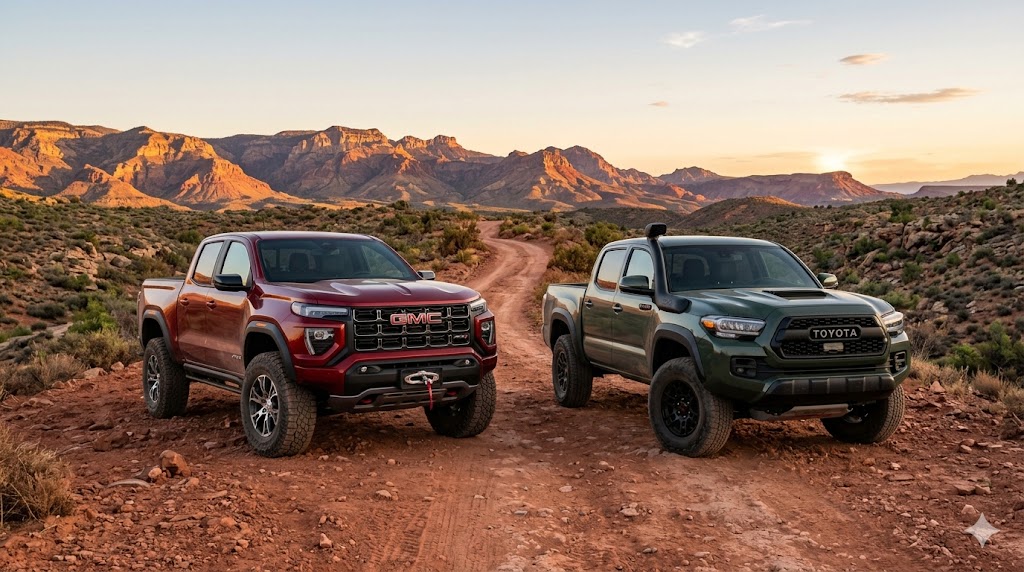
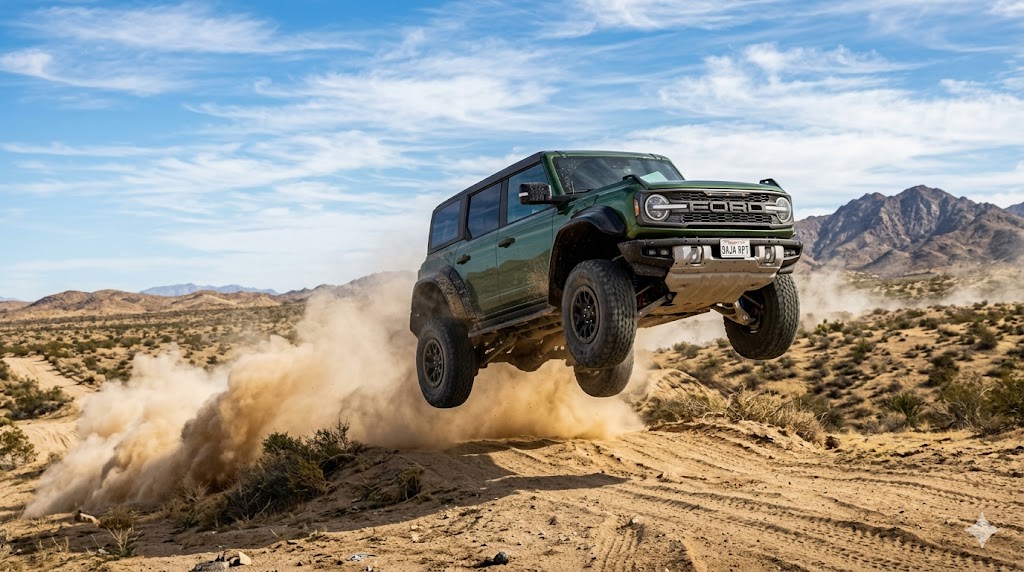
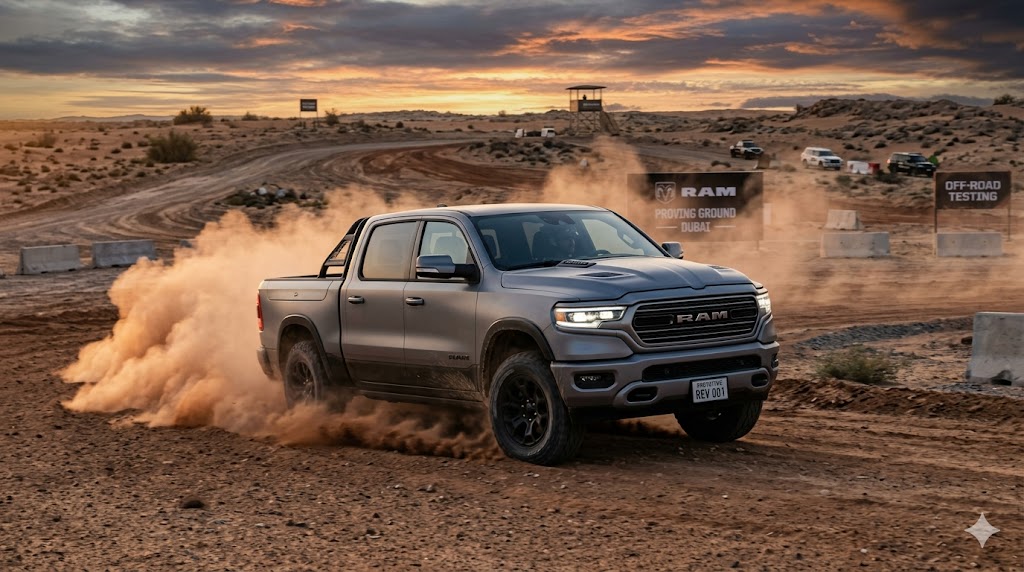
Three inches sounds small until you start pricing out everything it actually requires. Most people budget for the lift kit itself and forget that a proper three-inch lift is really a cascading list of parts, labor, and follow-on issues that stock trucks simply don't have to deal with. The kit is the entry fee, not the total bill.
The Kit Price Is the Smallest Number in the Equation
A three-inch suspension lift kit for a popular 4x4 truck or SUV can range widely depending on brand and whether it's a basic spring-and-shock kit or a full system with new control arms and geometry-correcting components. Whatever figure you land on for the kit itself, treat it as the deposit. Labor for a proper installation, done by a shop that will also handle the alignment afterward, adds a meaningful chunk on top, and that's assuming nothing unexpected turns up once the truck is on the lift. Rusted bolts, worn-out bushings, or a driveline that needs extra attention because of the new ride height are common enough that a good shop will flag them as likely rather than surprising.
Then there's the part everyone forgets: tires. A three-inch lift is almost always paired with larger tires, because otherwise you've just raised the truck without gaining the visual or functional benefit most people are chasing. Larger tires cost more per tire, wear faster if they're an aggressive tread pattern, and may require you to recalibrate your speedometer or reprogram certain electronic systems that assume factory tire diameter. None of this is optional if you want the lift to look and function the way it does in photos; it's simply cost that doesn't appear on the lift kit's price tag.
Alignment, Geometry, and the Parts That Wear Faster
Adding height to a suspension changes the angles at which control arms, tie rods, and CV joints operate. On many trucks, a modest lift within a few inches doesn't require extensive geometry correction, but as you approach three inches, you start pushing into territory where factory-length components are working at angles they weren't designed for. This shows up as accelerated wear on ball joints, tie rod ends, and CV boots, and it can introduce a subtle vibration or clunk that takes a diagnostic session to track down.
A quality lift kit at this height typically includes some combination of extended brake lines, adjusted track bars or control arms, and sometimes a differential drop kit to correct pinion angle. Skipping these components to save money is how a three-inch lift turns into a truck with premature tire wear on the inner edges, a steering system that feels vague, and u-joints that fail well before they should. The real cost of a lift done properly includes these correction parts; the real cost of a lift done cheaply includes replacing suspension components again within a year or two.
Fuel Economy and Drivetrain Wear You'll Feel Every Week
Larger, heavier tires and a taller stance both work against fuel economy, and the effect compounds. Bigger tires increase rotational mass and rolling resistance, while the change in aerodynamics from a taller ride height adds drag that a stock truck simply doesn't fight. Depending on how aggressive the tire choice is, you can expect a noticeable drop in fuel economy compared to the stock configuration, and that's a cost that keeps accruing for as long as you own the truck, not a one-time hit.
The drivetrain also works harder. Larger tires effectively change your gearing, since the engine and transmission now have to turn a bigger circumference to achieve the same road speed. On trucks that came with tall gearing to begin with, this can make acceleration feel noticeably lazier and can increase strain on the transmission, especially during towing or highway passing. Some owners address this with a re-gear, which is another cost that a stock truck never asks you to consider.
Warranty, Insurance, and Resale Realities
Modifying suspension height can affect your factory warranty coverage on components the dealer can reasonably argue were damaged or stressed by the modification. Manufacturers vary in how strictly they enforce this, but it's a real risk that stock trucks simply don't carry. Some owners find their dealer service department becomes less willing to diagnose ambiguous issues once they see a lift kit, even when the complaint has nothing to do with suspension.
Insurance is a quieter cost. Modified vehicles can be more complicated to insure accurately, and if you're financing the vehicle, some lenders and insurers want documentation of aftermarket parts and their installed value. On the resale side, a lift kit is a matter of taste; it can help you sell faster to a specific buyer who wants exactly that look, or it can shrink your buyer pool considerably if most local buyers want a stock-height daily driver. Trucks with amateur-installed lifts, missing documentation, or mismatched tire wear tend to sell for less than a clean stock truck of the same age and mileage, even though the seller spent real money getting there.
When the Three Inches Is Actually Worth It
None of this means a lift is a bad decision. If you genuinely wheel technical trails, need the additional approach and departure angles, and plan to run larger tires anyway for traction, a properly executed three-inch lift with matched components is a reasonable investment that pays for itself in capability. The mistake isn't lifting the truck; it's underestimating everything the lift touches and budgeting only for the kit itself.
If your use case is mostly highway driving with occasional dirt roads and a desire for a more aggressive look, it's worth being honest that a stock truck with a mild all-terrain tire often delivers most of the real-world capability you need, at a fraction of the cost and with none of the drivetrain compromises. The three inches is real, but so is everything that comes attached to it.
Key Takeaways
- The lift kit's sticker price is only a fraction of the true cost once labor, tires, and correction parts are included.
- Alignment geometry and suspension component wear accelerate as lift height approaches three inches without proper correction parts.
- Expect a measurable, ongoing hit to fuel economy and possibly transmission strain from larger, heavier tires.
- Warranty coverage, insurance documentation, and resale value can all be complicated by a lift, unlike a stock configuration.
- A three-inch lift pays off for genuine technical off-roading but is often overkill for occasional dirt-road use.
- Bottom line: budget for the whole system and the ongoing costs, not just the kit, before committing to three inches.