Ask a dealer for lease numbers and you'll get a monthly payment, maybe a due-at-signing figure, and not much else. That's by design. A monthly payment is the output of a calculation built from three inputs — capitalized cost, money factor, and residual value — and if you never see those three numbers broken out, you have no way to tell whether $429 a month is a fair deal or a padded one. You could be overpaying by $50 a month for three years and never know it, because the payment alone doesn't tell you which lever moved to get there.
This is the core problem with how leasing gets sold. Two people can lease the identical car, in the same color, with the same mileage allowance, and end up with meaningfully different payments — one because they negotiated the price like a cash buyer would, one because they just asked "what can you get monthly payment to." Understanding cap cost, money factor, and residual value is what separates those two outcomes. None of it is complicated math once you see the pieces separately; it's only confusing because dealers have every incentive to keep it bundled.
Capitalized Cost: The Price You're Actually Negotiating
Capitalized cost, or "cap cost," is the lease equivalent of the purchase price. It's the value assigned to the vehicle at the start of the lease, and it's the number the monthly depreciation charge is calculated from. Crucially, cap cost is negotiable in exactly the same way a purchase price is negotiable — you can talk a dealer down from MSRP, apply manufacturer rebates or lease cash to reduce it, and factor in your trade-in value against it.
The mistake many lessees make is treating a lease like a separate universe with its own rules, when the acquisition price should be negotiated first and independently, before the word "lease" even enters the conversation. Get the dealer to agree on a price as if you were paying cash or financing, get that in writing, and only then discuss lease terms. If you skip straight to "what's my payment," the dealer can quietly hold cap cost higher than it needs to be, because you've given up your only clear reference point for what the car should cost.
There's also a "gross cap cost" versus "net cap cost" distinction worth knowing. Gross cap cost is the negotiated price plus any fees or add-ons rolled into the lease — acquisition fee, extended warranties, prior lease payoff, and so on. Net cap cost is that figure minus your down payment, trade-in equity, and any rebates. Every dollar you can shift from gross to reductions lowers your net cap cost, and lowering net cap cost directly lowers your monthly payment, because you're financing a smaller depreciation amount over the lease term.
Money Factor: A Hidden Interest Rate in Disguise
Money factor is the financing charge on a lease, functionally equivalent to an interest rate, but expressed in a format that most people have never seen anywhere else: a small decimal like 0.00125. Leasing companies present it this way partly out of convention and partly because a decimal is harder to compare mentally to the rate on your car loan or mortgage — which makes it easier to mark up without the shopper noticing.
You can convert money factor to something resembling an annual percentage rate with a simple approximation: multiply the money factor by 2,400. So a money factor of 0.00125 works out to roughly a 3% APR equivalent. This isn't a precise legal APR calculation, but it's close enough to let you compare a lease offer against current loan rates and against other lease quotes on an apples-to-apples basis. If a dealer quotes you a money factor and you do that math and it comes out well above what published rates for your credit tier suggest you should be getting, that's a signal the buy rate has been marked up for profit.
That's the other critical thing to know about money factor: leasing companies set a base, or "buy," rate depending on your credit profile, and dealers are often permitted to add a markup on top of it before quoting it to you — similar to how dealer-arranged auto loans can carry a marked-up rate versus the lender's actual approval. Ask directly whether the quoted money factor includes dealer markup, and ask what the base buy rate is. Not every dealer will tell you, but asking signals you know how the mechanism works, and that alone tends to reduce how much room they think they have to pad it.
Residual Value: The Number You Can't Negotiate
Residual value is the leasing company's projection of what the vehicle will be worth at the end of the lease term, expressed as a percentage of MSRP. This is the piece most shoppers misunderstand, because it feels like it should be negotiable — it isn't, in any meaningful sense. Residual values are set by the bank or captive finance arm underwriting the lease, using historical depreciation data, market forecasts, and sometimes strategic decisions about which models the manufacturer wants to move through leasing.
Higher residual values produce lower payments, because the finance charge and depreciation you're paying for is only the gap between cap cost and residual value. A car predicted to hold 60% of its value after three years costs you less to lease than a comparable car predicted to hold 45%, all else being equal, because you're only paying for that 40% versus 55% of depreciation plus financing. This is precisely why certain vehicles known for strong resale value routinely show up with surprisingly competitive lease payments, while vehicles that depreciate quickly can be expensive to lease even when their purchase price looks reasonable.
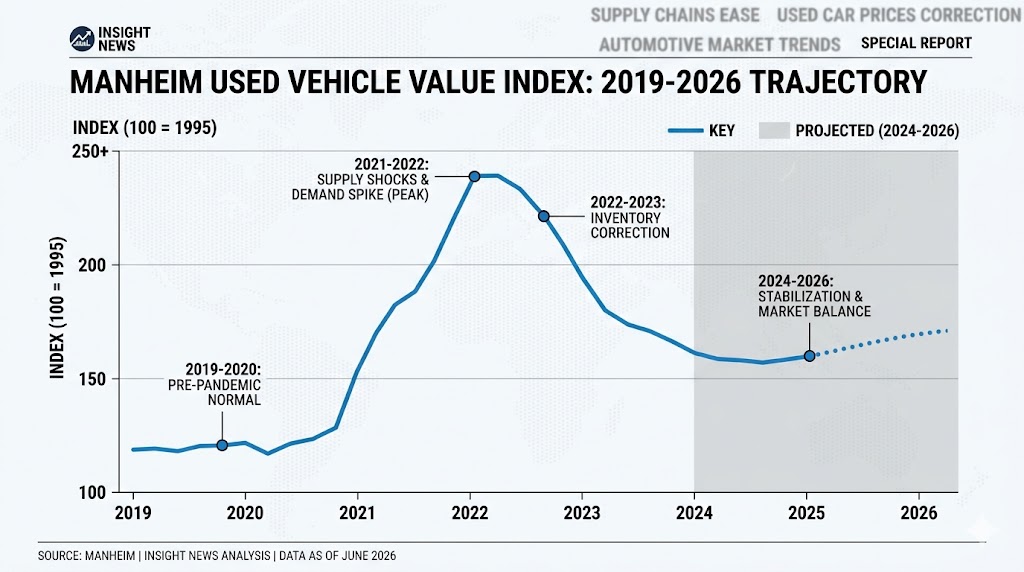
Residual values also matter beyond the monthly payment. A strong residual gives you a better position if you want to buy the car at lease-end, since the buyout price is essentially that residual figure. And if actual market value ends up higher than the projected residual by lease-end — which happened widely during the supply-constrained used-car market of recent years — lessees who could exercise their buyout option sometimes captured real equity, since they were buying at a below-market price locked in years earlier.
How the Three Numbers Combine Into Your Payment
Conceptually, a lease payment is built from two components added together each month: a depreciation charge and a finance charge. The depreciation charge is the difference between net cap cost and residual value, spread evenly across the lease term. The finance charge is calculated using the money factor applied against the sum of cap cost and residual value. Add sales tax where applicable — states handle lease taxation differently, some taxing the full cap cost upfront and others taxing only the monthly payment — and you arrive at the number quoted to you.
You don't need to run this formula yourself to shop well, but understanding that it exists changes how you evaluate an offer. If a dealer can't or won't break out cap cost, money factor, and residual separately, you have no way to audit which lever produced your payment. A payment can look attractive while hiding an inflated cap cost offset by an unusually generous manufacturer-subsidized money factor, or it can look mediocre on a car that actually has a very strong residual and would be a great deal if the cap cost were negotiated harder.
Where You Actually Have Leverage
This is the part worth internalizing: of the three inputs, you have real negotiating power over cap cost, some negotiating power over money factor markup, and essentially none over residual value. Residual percentages are published by the leasing bank for a given model, trim, and mileage allowance, and they don't move based on your negotiating skill. What does move is the price you negotiate the car down to, and whether you push back on or eliminate any markup the dealer added to the base money factor.
That reality should shape where you spend your negotiating energy. Don't waste time trying to talk a dealer into a higher residual — it isn't theirs to give. Do spend time getting the cap cost as low as you would on a cash deal, asking pointed questions about money factor markup, and comparing manufacturer-subsidized lease programs across similar models, since subvented deals sometimes combine an artificially boosted residual with a below-market money factor specifically to move certain vehicles. This is general information to help you understand lease mechanics, not financial or legal advice, and you should confirm current rates, residuals, and incentive programs directly with manufacturers or lenders before signing anything.
Key Takeaways
- A lease payment is built from three separate inputs — capitalized cost, money factor, and residual value — and dealers rarely volunteer to show you all three.
- Capitalized cost is negotiable exactly like a purchase price and should be settled before you discuss lease terms at all.
- Money factor functions as an interest rate; multiplying it by 2,400 gives a rough APR equivalent you can use to compare offers.
- Residual value is set by the leasing company based on projected future worth and is not something you can negotiate upward.
- Higher residual values mean lower payments, which is why strong-resale vehicles often lease more competitively than their purchase price alone would suggest.
- Focus your negotiating effort on cap cost and money factor markup — that's where real savings exist, while residual value simply isn't in play.