Walk a dealership lot today and count the two-door coupes. On many lots, you won't need both hands. Compare that to a showroom floor from twenty years ago, when nearly every mainstream brand fielded at least one affordable sports coupe, and the shift is impossible to miss. Several long-running nameplates have quietly disappeared or been paused in recent years, others have been folded into crossover-flavored spinoffs, and the showroom real estate once reserved for low-slung two-doors has been handed over almost entirely to SUVs. The sports car isn't gone. But it is smaller, rarer, and more expensive to justify than it has been in decades, and the reasons behind that shrinkage say a lot about where the auto industry is actually headed.
The Economics Stopped Working
A sports car has always been a strange product for an automaker to build. Low sales volume, expensive engineering for handling and weight distribution, and a customer base that's price-sensitive relative to the halo the car is supposed to create — none of that adds up to a strong business case on its own. For decades, manufacturers absorbed that math because a sports car sold showroom traffic and brand image even when the car itself barely broke even. What's changed is the opportunity cost. Every engineering hour and factory slot spent on a niche coupe is now an hour and slot not spent on a three-row crossover that can sell in ten times the volume at a healthier margin. SUVs and crossovers generate the bulk of automaker profits today, and that reality shapes product planning at every level, from which platforms get funded to which dealers get allocated. When a finance committee is deciding where next year's capital goes, a car that sells in the thousands per year is going to lose out to a crossover that sells in the hundreds of thousands, almost every time.
Platform-sharing economics make this worse for sports cars specifically. Modern vehicle platforms are engineered to be spread across as many models as possible to amortize development costs, and a rear-wheel-drive, low-volume two-door doesn't share much with the front-drive or all-wheel-drive crossover architectures that dominate a brand's lineup. Building a dedicated sports car platform for a niche audience is a much harder sell internally than it was when automakers ran more diverse, less consolidated platform strategies. That's part of why so many surviving sports cars either lean on decades-old architecture, share bones with a close cousin, or come from companies willing to treat them as a strategic exception rather than a volume play.
Emissions and Electrification Pressure
Layer regulatory pressure on top of that math and the squeeze intensifies. Emissions and fuel economy rules in major markets have pushed automakers to prioritize efficiency across their fleets, and a naturally aspirated or high-revving performance engine is one of the hardest things to make compliant without diluting the character that made it appealing in the first place. Compliance costs get spread across a brand's whole lineup, which means a low-volume sports car often has to justify its share of that regulatory burden against sales numbers that can't easily absorb it. Some manufacturers have downsized displacement, added turbocharging, or leaned on hybrid assistance to keep performance cars alive under tightening rules — reasonable engineering compromises, but ones that change what a "sports car" feels like to drive.
Electrification adds a second layer of complexity rather than simply replacing the first. Battery packs are heavy, and a sports car's whole reason for being is usually tied to low weight and immediate, tactile response. Automakers investing in electric performance have generally solved this with software-managed torque and dual- or tri-motor layouts that deliver blistering straight-line speed, and that's a legitimate new direction rather than a lesser one. But it's a different kind of car than the analog-feeling roadster or lightweight coupe that defined the segment for generations, and it requires investment levels that only make sense for automakers treating performance as a flagship technology showcase rather than a mass-market product line. That distinction matters enormously for whether a given nameplate survives: cars built to prove a brand's engineering credibility get funded even at a loss, while cars built purely to fill a market segment do not.
Consumer Tastes Moved to the Crossover
None of this would matter much if buyers were still lining up for sports cars the way they did in past decades, but tastes have shifted alongside the economics. Practicality has become a much bigger factor in mainstream car buying, and a two-seat or cramped four-seat coupe with limited cargo space is a tough sell against a compact crossover that offers similar road presence, easier daily usability, and often comparable performance in a straight-line sense thanks to modern turbocharged engines. Younger buyers who might once have seen a sports car as an aspirational first "fun" purchase are increasingly drawn to SUVs and crossovers as their default vehicle type, not a compromise they settle for later. That's a cultural shift as much as a financial one, and it's proven durable enough that automakers have stopped betting on it reversing.
The used market reflects a similar reality. Enthusiasts who might have bought a new coupe a generation ago are often satisfied stretching their budget toward a well-kept used performance car instead, which further softens demand at the new-car level for anything but the models with the strongest brand loyalty or waiting lists. That leaves new-sports-car buyers as a smaller, more devoted subset of the market than automakers can count on for reliable volume.
Who's Still Building Them, and Why
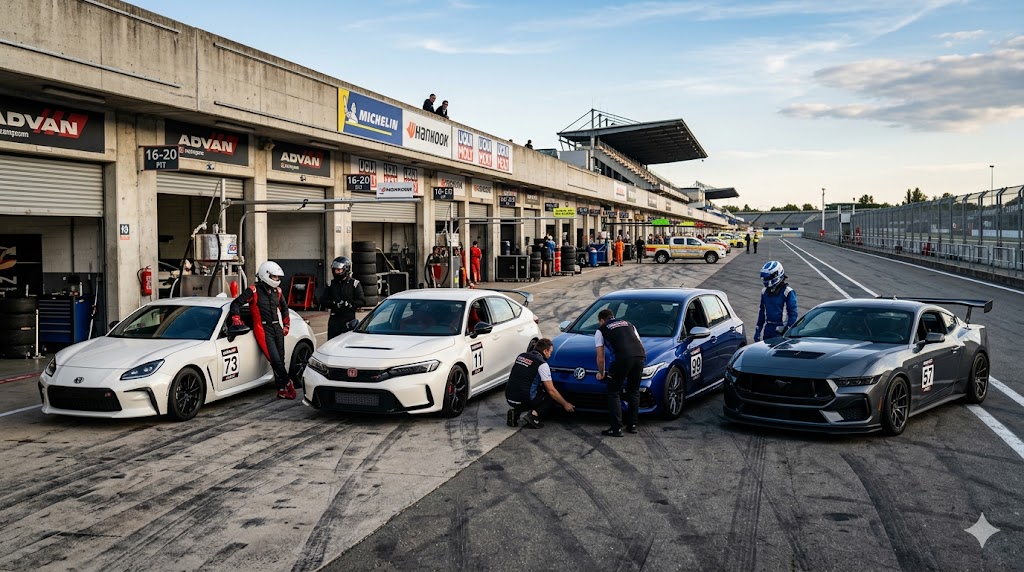
Despite all of that, sports cars haven't vanished, and the ones still in production tend to share a common trait: each plays a specific strategic role for its manufacturer rather than existing as a pure volume product. The Mazda MX-5 Miata persists in part because its low weight and modest power keep engineering and compliance costs manageable relative to its devoted following. The Toyota GR86 and its Subaru BRZ sibling exist because the two companies split development costs across a shared platform, turning a low-volume niche into something more survivable through partnership. The Chevrolet Corvette and Ford Mustang endure as halo products with decades of brand equity behind them, giving their parent companies a reason to keep investing even when the business case is thinner than it would be for a new nameplate. The Nissan Z leans on a similar halo logic, tied closely to the brand's performance heritage. And Porsche's 911 occupies a different tier entirely, built by a manufacturer whose identity and pricing power are centered on sports cars in a way few others can replicate.
What ties these examples together isn't market size, it's purpose. Each survives because it earns its keep in ways that go beyond direct profit: brand storytelling, motorsport relevance, dealer traffic, or a hedge against a future where enthusiast credibility matters for a company's broader image. That's a fundamentally different survival model than the one that supported a dozen mainstream sports coupes decades ago, and it's worth remembering that lineups change quickly — checking a manufacturer's current model list is the only reliable way to know whether a specific nameplate is still in production, on hiatus, or reimagined as something else entirely.
What's Likely to Last
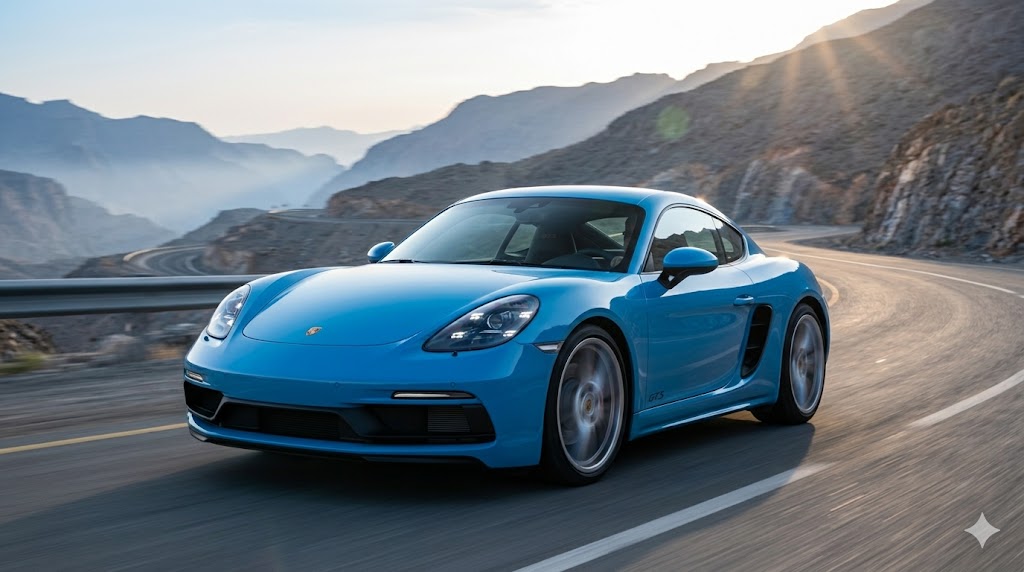
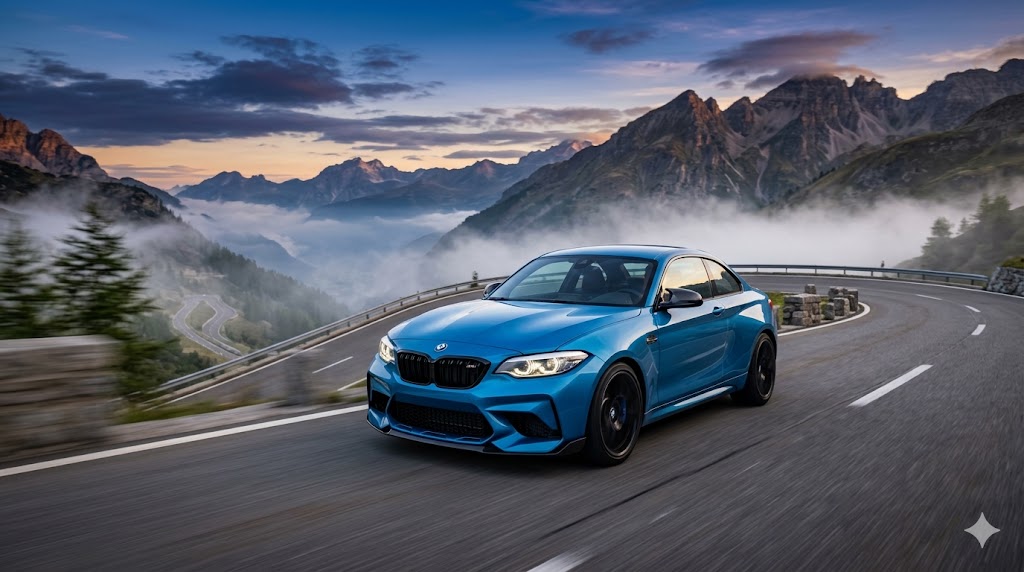
The sports cars most likely to still exist in another decade are the ones that have found a defensible niche rather than trying to compete as mainstream volume products. Lightweight, relatively affordable models that keep engineering costs low will likely keep finding an audience, as will flagship halo cars whose value to a brand's image outweighs their standalone profitability. Electrified and hybrid-assisted performance cars will likely expand as a category, not because they replace the analog sports car experience, but because they give automakers a technically credible way to keep a performance flagship in the lineup while meeting efficiency targets. What's least likely to survive is the middle tier: the moderately priced, moderately profitable coupe that isn't distinctive enough to justify its cost and isn't cheap enough to be a rounding error on the balance sheet. That's exactly the tier that has already thinned out the most, and there's little in the current economics of the industry to suggest that trend reverses.
Key Takeaways
- The sports car segment is shrinking primarily because of business economics, not a lack of enthusiasm: SUVs and crossovers deliver far higher volume and margin per engineering dollar.
- Emissions and electrification pressure make small-volume, high-revving performance engines harder to justify without added cost or compromise.
- Consumer tastes have shifted toward practicality-first vehicles, shrinking the pool of buyers willing to choose a low-slung coupe as a daily car.
- Surviving sports cars — the Miata, GR86/BRZ twins, Corvette, Mustang, Z, and 911 among them — endure because each serves a strategic brand purpose beyond direct sales volume, not because the segment is thriving broadly.
- Electrified performance cars represent a real, growing counter-trend, but they deliver a different driving character than traditional lightweight sports cars, not a direct replacement.
- Bottom line: the sports car isn't dying outright, but the middle of the segment has already been hollowed out — if you want one, buy soon, choose a nameplate with real brand commitment behind it, and always verify current production status before you shop.