A cheap sports car and an affordable sports car are two different things, and the gap between them is where most weekend-car budgets quietly fall apart. You can buy a project-priced BMW for the cost of a used commuter sedan, then spend the next three years feeding it specialty parts and labor rates that erase every dollar you saved at purchase. The number that actually determines whether a weekend toy is a smart decision isn't what you pay to drive it home. It's what you pay every year after that to insure it, maintain it, and keep it ready for the next sunny Saturday. Fun-per-dollar of ownership, not fun-per-dollar of purchase price, is the metric that matters here.
That distinction changes the shortlist considerably. A car that looks like a bargain on a classifieds site can turn into the most expensive vehicle in your driveway once you factor in premiums, brake jobs, and the electrical gremlins that show up on low-volume imports. Meanwhile, some of the most genuinely entertaining cars on sale are also among the cheapest things you can own, full stop, because they were engineered by companies that build hundreds of thousands of mechanically similar vehicles a year and back them with parts networks to match.
The Baseline: Mazda MX-5 Miata
Start with the car that essentially defined this category. The Mazda MX-5 Miata has spent decades earning a reputation not just as a fun, tossable roadster but as one of the cheapest sports cars in America to actually live with. It shares much of its mechanical DNA and parts bin with Mazda's mainstream sedans and crossovers, which means routine service, brakes, and common wear items are inexpensive and available at any independent shop, not just a specialist dealer. Insurance companies tend to treat the Miata kindly too, since it has a modest engine, a light curb weight that keeps performance in a reasonable bracket, and none of the theft or high-claim history that spikes premiums on flashier metal. The trade-offs are real but minor: cargo space is nearly nonexistent, the ride is stiff by design, and the four-cylinder is not going to win any straight-line bragging rights. For someone whose priority is weekend driving joy per dollar spent over a five-year ownership window, though, it is hard to beat.
Subaru BRZ and Toyota GR86: Shared Simplicity
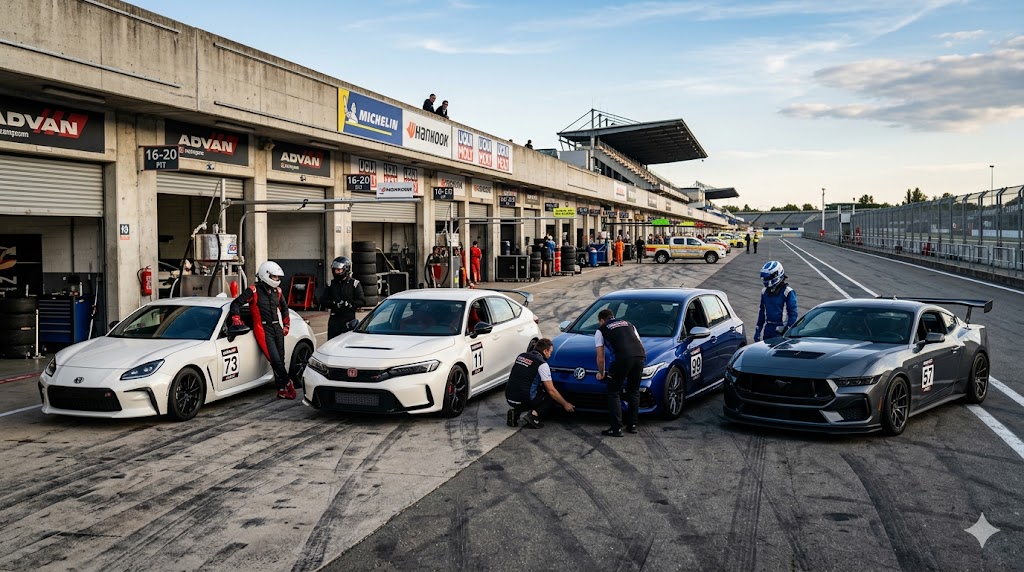
The Subaru BRZ and its nearly identical twin, the Toyota GR86, follow a similar playbook to the Miata but with a coupe body and a rear-drive chassis tuned specifically for handling balance rather than outright power. Both cars use naturally aspirated flat-four engines that, while not the most exciting on paper, are mechanically straightforward and have proven reliable across two generations now. Because Subaru and Toyota both sell these cars through massive dealer networks and share components with higher-volume models, parts availability and cost stay reasonable, and independent mechanics have no trouble working on them. Insurance tends to land in a comfortable middle ground, generally cheaper than a V8 muscle car and often in line with or below the Miata depending on your specific rating factors. The compromise is that these are firmly driver's cars first: back seats are token gestures, and the low-end power has always drawn criticism from people expecting a harder punch off the line. If your version of weekend fun is corner-carving over highway blasting, though, this pairing rewards you without punishing your wallet the rest of the week.
The Used Honda S2000: Reward With a Caveat
The Honda S2000 occupies a special place among enthusiasts, largely because of its high-revving four-cylinder and a chassis that rewards precise inputs in a way few affordable roadsters ever have. Production ended years ago, so every S2000 on the market today is used, and that changes the calculus. Honda's reputation for reliability generally holds up here, and parts, while pricier than mainstream Civic components, are still far easier to source than parts for a European roadster of the same era. The catch is that the S2000's engine was designed to be revved hard and maintained on schedule, particularly when it comes to valve adjustments and timing chain tensioner service, so a neglected example can hide expensive problems that a well-cared-for one won't have at all. Values also vary widely based on mileage, modification history, and how the previous owner treated that redline. Buying one for weekend use means budgeting extra time for a pre-purchase inspection, but a sound example remains one of the more satisfying and reasonably affordable ownership experiences in this segment.
Mini Cooper: Character With a Price Tag
The Mini Cooper deserves real credit for delivering go-kart handling and genuine personality in a small package, and driven only on weekends, it is an absolute delight. Being honest about the ownership side matters here, though. Mini is owned by BMW, and while the cars are built in smaller, front-wheel-drive packages, they inherit some of the same tendencies toward premium-priced parts and labor rates that surprise first-time owners coming from Japanese economy cars. Turbocharged variants, cooling systems, and certain electrical components have a track record of needing attention earlier than owners expect, and because Mini dealers and specialists are less common than a Honda or Toyota shop in most towns, labor costs can run higher. Insurance is usually reasonable given the car's compact size and modest power figures, so that part of the equation stays friendly. The fair takeaway is that a Mini Cooper can absolutely work as a low-mileage weekend car, but you should budget a meaningfully larger annual maintenance reserve than you would for a Miata or a GR86, and buying one with a documented service history is not optional, it's essential.
Used BMW Z3 and Z4: Fun With Real Risk
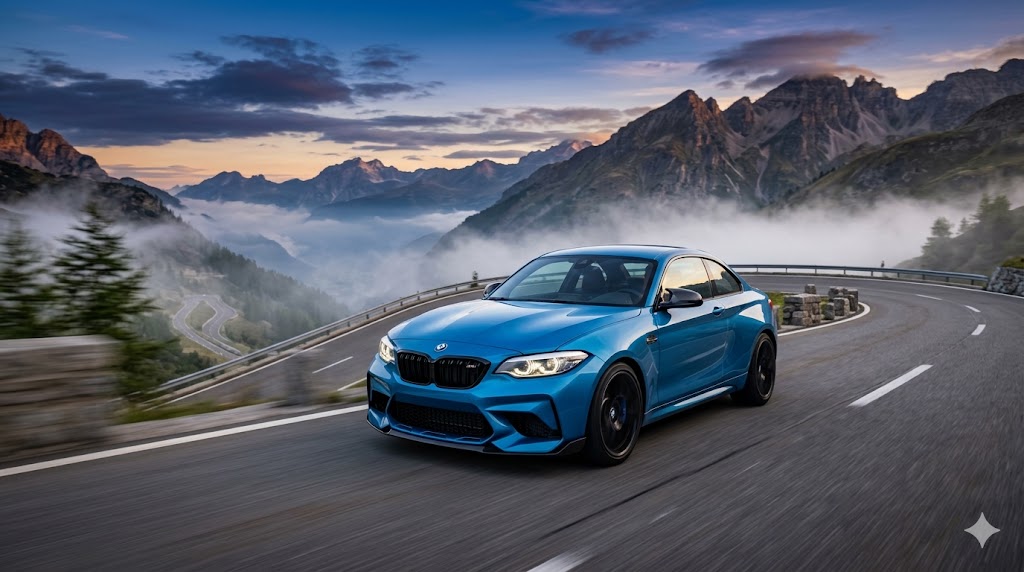
A used BMW Z3 or Z4 offers a taste of rear-wheel-drive European roadster character, often at a used price that looks shockingly reasonable next to a new economy car. That low purchase price is doing a lot of the persuading, though, and it's worth resisting the pull until you've thought through what comes next. As these cars age, suspension components, cooling systems, and electronics start needing attention, and BMW parts along with independent European specialist labor cost noticeably more than equivalent Japanese components. Insurance can also creep higher than you'd expect for a car with modest power, partly due to repair cost assumptions built into actuarial models. None of this means a Z3 or Z4 is a bad choice. Plenty of owners run these cars for years on weekend-only mileage without major drama, especially if they find a well-sorted example and stay ahead of maintenance rather than reacting to failures. It does mean you should shop with your eyes open, price out a few likely repairs before you buy, and find a trustworthy independent BMW specialist rather than relying on dealer service rates.
Ford Mustang V6 and EcoBoost: The Muscle-Adjacent Value Play
If you want a dash of American muscle-car swagger without the ownership costs that come with a V8 GT, the six-cylinder or EcoBoost four-cylinder Mustang is worth a look. Both engines deliver enough performance to feel genuinely quick for a weekend car while keeping insurance premiums well below what the GT trim commands, since insurers weight engine size and horsepower heavily in their pricing models. Parts and service are widely available given how many Mustangs Ford has sold over the decades, and independent shops everywhere are comfortable working on them. The trade-off is mostly about image and outright thrill: you give up the V8 soundtrack and some straight-line bragging rights, and the base suspension tuning on lower trims can feel less special than the performance-package cars. For someone prioritizing an entertaining, insurable, easy-to-maintain weekend cruiser over outright status, though, it is a smart middle path.
What Actually Drives Weekend Ownership Costs
A car that only leaves the garage a few times a month has a different cost profile than a daily driver, and it pays to plan around that. Many insurers offer usage-based or pleasure-use policies that reward low annual mileage with meaningfully lower premiums, so it's worth asking specifically about this rather than assuming a standard policy is your only option. Infrequent use also creates its own maintenance quirks: batteries drain and can die from disuse, tires develop flat spots when a car sits in one position for weeks, and fuel left untreated can degrade and gum up injectors over time. A trickle charger, an occasional short drive to keep fluids circulating and tires rotating off their resting spot, and a bottle of fuel stabilizer for cars that sit longer than a month are cheap insurance against expensive surprises. Parts availability and cost should factor into the buying decision too, since a common Japanese sports car will always be cheaper to keep parts-stocked than a low-volume European roadster. Finally, buying used rather than new is usually the financially smarter move for a weekend-only car, because the steepest depreciation curve has already happened by the time a car is a few years old, meaning you get most of the driving experience for a fraction of the capital outlay and a correspondingly smaller amount of money at risk if something goes wrong.
Key Takeaways
- The real cost of a weekend sports car is measured in insurance, maintenance, and parts over years of ownership, not the price on the sales listing.
- The Mazda MX-5 Miata and Subaru BRZ/Toyota GR86 remain the safest bets for genuine driving fun paired with low, predictable ownership costs.
- A used Honda S2000 rewards enthusiasts but demands a thorough pre-purchase inspection and strict adherence to its high-revving maintenance schedule.
- The Mini Cooper and used BMW Z3/Z4 deliver real character and driving joy but come with meaningfully higher parts, labor, and repair-risk costs as they age.
- A Ford Mustang V6 or EcoBoost trim offers muscle-car flavor with far friendlier insurance and maintenance costs than a V8 GT.
- Low-mileage insurance discounts, basic storage habits like trickle charging and fuel stabilizer, and buying used after the steepest depreciation are the smartest ways to keep any weekend car affordable.
- If low ownership cost is your top priority, buy the Miata or the BRZ/GR86 twins; if you want more character and can budget for it, a well-documented used Mini or BMW roadster can still make sense.