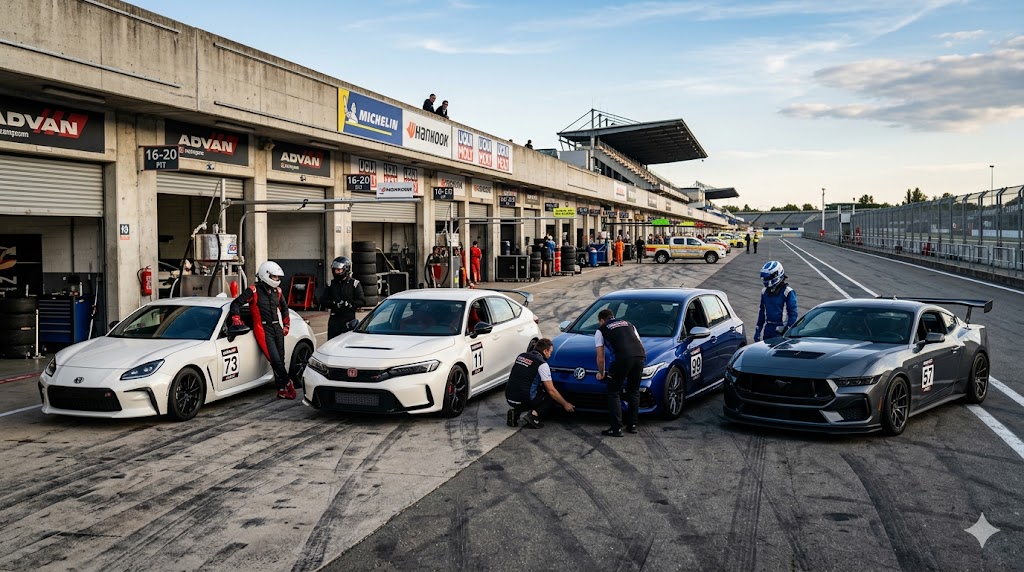
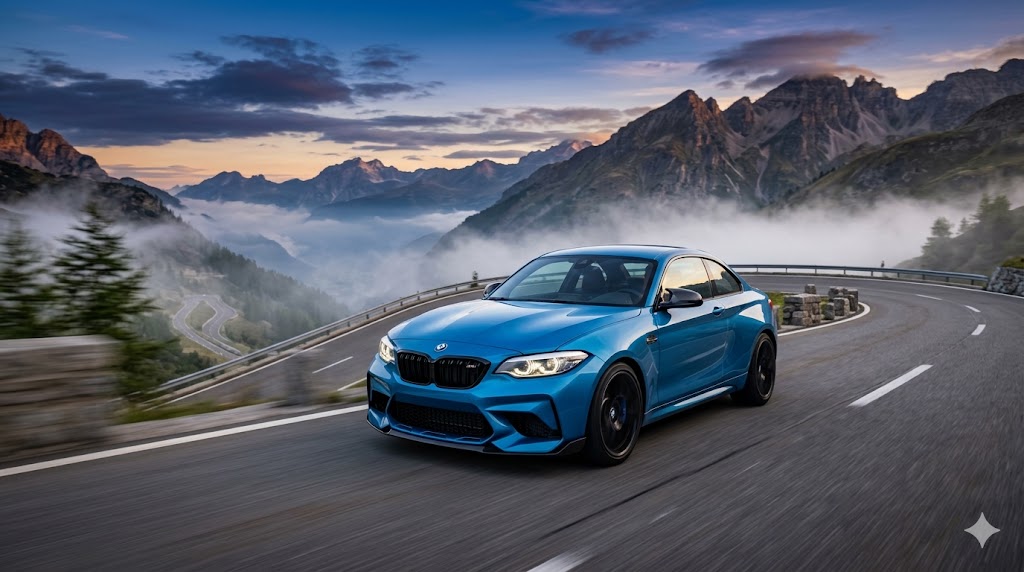
You just bought your first car worth modifying, you've watched a weekend's worth of build videos, and you have a credit card that's ready to feel pain. Before any of that money leaves your account, stop and ask a harder question: what actually needs to happen first, and what's just noise you picked up from a forum thread written by someone with a different car, different goals, and a different budget than you. Most new enthusiasts don't fail because they buy bad parts. They fail because they buy parts in the wrong order, chasing the mods that look exciting on Instagram instead of the ones that make the car better to own and drive.
Figure Out What You're Actually Building Toward
The single biggest mistake newcomers make is skipping this step entirely. A car built for weekend canyon runs needs a different first purchase than one built for the drag strip, and both differ from a car whose owner mostly wants a better daily commute with a bit more character. Before you spend a cent, decide honestly what you want the car to do for you in a year. If you don't have an answer, your money is going to get spread thin across mods that don't work together, and you'll end up with a car that's loud, a little quicker, and not actually more satisfying to drive. Enthusiasts who write the goal down first — even something as simple as "handle better on twisty roads" — tend to build cleaner, more cohesive setups because every purchase gets measured against that one sentence.
Maintenance and Baseline Health Come Before Any Performance Part
This isn't the fun answer, but it's the correct one. If your car has original spark plugs, a tired air filter, worn motor mounts, or fluids that haven't been touched in years, no bolt-on part is going to make it feel meaningfully better, and some can make hidden problems worse. A worn suspension bushing or a tired belt can turn a simple intake install into a source of new noises and headaches you'll spend weeks chasing. Enthusiasts who skip this step often end up modifying a car that was already compromised, then blame the mod when the real issue was neglected maintenance. Get a full inspection, address anything flagged, and only then start thinking about upgrades. This isn't wasted money — it's the foundation every other mod sits on, and it protects the investment you're about to make.
Tires Are the Unglamorous Mod That Changes Everything
Ask any experienced tuner what the best first performance upgrade is, and a surprising number will say tires before anything else. Factory tires are chosen for cost, noise, and fuel economy targets, not outright grip, and a set of quality performance tires transforms how a car turns in, brakes, and puts power down more than almost any bolt-on part can. It's not exciting to tell a new enthusiast to spend their budget on rubber instead of a cold air intake, but the difference in cornering confidence and braking distance is immediate and tangible in a way an intake simply cannot match. If your goal is a car that feels sharper and more connected on every drive, tires belong at or near the top of the list, not as an afterthought once the budget for "real mods" runs out.
Suspension Refresh Before Chasing Horsepower
Once tires are sorted, the next logical step for most new enthusiasts is addressing the suspension, particularly if the car has meaningful mileage. Fresh dampers, aligned and properly set geometry, and a quality set of sway bars do more to make a car feel alive than early horsepower mods ever will, because they change how the chassis communicates with you. A car that handles well feels faster than it is, while a car with tired suspension and a power adder often feels nervous and disconnected even with more output. This doesn't mean you need a full coilover setup as your very first purchase — that's a deeper, pricier decision worth its own research — but it does mean you shouldn't ignore chassis health while fixating on the engine bay. Budget-minded enthusiasts can start with a quality alignment and inspection alone and feel a real difference before spending on parts.
Bolt-On Engine Mods: Where the Line Actually Is
Eventually you'll want to touch the engine, and that's fine — it's part of the fun. The trick is understanding which early bolt-ons deliver real, noticeable value and which mostly deliver sound. A quality cold air intake and a less restrictive exhaust can free up airflow and give the engine a more satisfying voice, and on many cars they're a reasonable, low-risk entry point precisely because they're reversible and don't strain the drivetrain or voids much of your warranty coverage in isolation. Where new enthusiasts get into trouble is stacking several engine mods at once without any way to verify they're working together, or worse, jumping straight to an ECU tune before they understand what fuel quality, engine condition, and supporting hardware that tune will demand. Layer mods one at a time, verify each one does what you expected, and resist the urge to chase a bigger single purchase before the fundamentals are dialed in.
Budget Discipline and Avoiding the Regret Pile
Almost every enthusiast who's been in the hobby for more than a couple of years has a box of barely-used parts they bought too early — a gauge cluster for a car they later sold, an exhaust tip that didn't fit the second exhaust they bought, a suspension component that got replaced before it was ever really broken in. That regret pile is the natural result of buying based on excitement rather than a plan. Set a rough budget for your first year, allocate more of it to tires, maintenance, and suspension health than feels exciting, and treat engine bolt-ons as the reward for getting the fundamentals right rather than the starting point. Resale value matters too: a well-maintained car with tasteful, functional mods and receipts to prove the maintenance history will always be easier to sell than one with a pile of loud parts and skipped oil changes.
Key Takeaways
- Define what you actually want the car to do before spending any money, since goals should drive every purchase decision.
- Address maintenance and baseline mechanical health first; performance parts amplify problems rather than fixing them.
- Quality tires deliver more real-world grip and confidence improvement than most early bolt-on parts.
- A suspension refresh and proper alignment make a car feel sharper and more connected before you touch horsepower.
- Layer engine bolt-ons one at a time so you can verify each change actually helps, rather than stacking purchases blindly.
- Bottom line: spend your first budget on the boring stuff — maintenance, tires, and chassis health — and the exciting mods will actually be worth doing when you get to them.