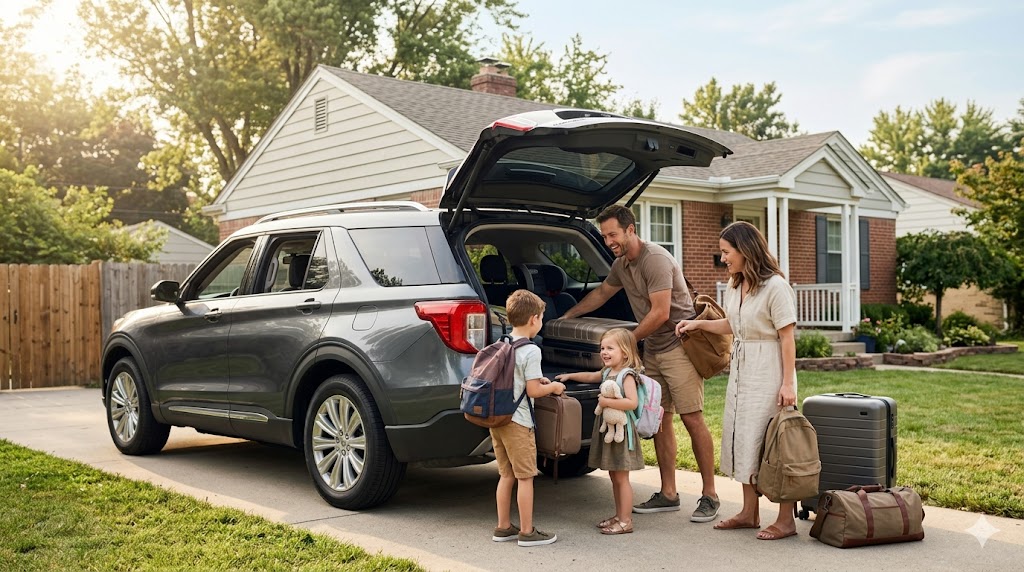
Ask ten parents what "best family car" means and you'll get ten different answers, which is exactly the problem with most ranked lists on this topic. One household cares most about a five-star crash rating and rear-seat alerts because they have a newborn. Another needs a third row that can actually fit a teenager, not just a booster seat, because they're hauling a soccer team on weekends. A third is stretched thin financially and needs the lowest total cost of ownership they can find without sacrificing reliability. A single ranked list of ten specific models can't serve all three of those buyers equally well, because the "best" car changes depending on which of those priorities you weight most heavily. What actually helps is understanding the three criteria that matter—safety, space, and value—and knowing which vehicle categories tend to win on each one, so you can rank the finalists yourself based on your own family's situation.
That's the approach this guide takes. Rather than asserting that one crossover beats another by a narrow margin based on a spec sheet, we'll walk through what safety, space, and value actually mean when you're cross-shopping family vehicles in 2025, and which categories—three-row SUVs, compact and midsize two-row SUVs, minivans, and sedans or wagons—tend to deliver on each front. By the end, you should be able to walk into a dealership or start a search with a clear sense of which category fits your family, even before you've settled on a specific nameplate.
Safety Means More Than a Star Rating
The instinct with family cars is to look up a crash-test score and stop there, but that single number only tells part of the story. The Insurance Institute for Highway Safety and the National Highway Traffic Safety Administration both run independent testing programs, and their methodologies and test criteria are updated periodically, which means a vehicle that earned a top score two or three years ago may not automatically hold that distinction under the current year's protocol. Always pull the current-year ratings directly from IIHS and NHTSA before you buy, rather than relying on a rating you remember from a prior model year or from an older article.
Beyond the crash-test number, look closely at which driver-assist features come standard versus which ones are locked behind an options package. Automatic emergency braking, lane-keeping assistance, and adaptive cruise control have become common across most mainstream family vehicles, but the sophistication and standard-versus-optional status of these systems still varies a lot between trims and manufacturers. For families specifically, two features deserve extra attention: blind-spot monitoring with rear cross-traffic alert, which matters enormously when you're backing out of a parking spot with sightlines blocked by a loaded third row or a stack of car seats, and rear-seat reminder systems that alert you if a door was opened before the trip and not reopened after, a feature that exists because of tragic real-world incidents. Neither of these is exotic technology anymore, but neither is universal either, so verify they're included on the specific trim you're considering rather than assuming.
Space Is About Usability, Not Just Numbers
Cargo volume and passenger counts on a spec sheet are a starting point, but they routinely mislead family shoppers because they don't capture how usable that space actually is in daily life. A third row rated for three adults might realistically only work for young children on anything but a short trip, and the seats in many three-row vehicles fold in ways that leave an awkward step in the cargo floor rather than a flat load surface. Before you trust a stated cargo figure, sit in the third row yourself, and if you have kids, bring their actual car seats or boosters to the test drive rather than imagining how they'll fit.
LATCH access is another area where real-world usability diverges sharply from what a brochure implies. Lower anchors buried deep in seat cushions, obstructed by seat-back releases, or spaced awkwardly for two child seats side by side can turn a five-minute install into a twenty-minute wrestling match every single day. This is precisely why minivans still hold a devoted following among parents of young children despite being less fashionable than SUVs: sliding doors make loading a rear-facing infant seat dramatically easier in a tight garage or parking space, the seating position is typically lower to the ground for easier lifting, and interior packaging tends to prioritize function over the styling considerations that shape SUV interiors. Vehicles like the Honda Odyssey or Toyota Sienna are frequently cited as examples of just how space-efficient the minivan format can be, precisely because the category was never designed to look rugged or sporty—it was designed to move people and gear.
Three-row midsize SUVs split the difference between minivan practicality and the styling and ride height that many buyers prefer, but that compromise comes with real costs: smaller third rows, tighter cargo space behind the third row when it's in use, and often a higher step-in height that isn't ideal for lifting a toddler multiple times a day. Two-row compact and midsize SUVs, meanwhile, are worth serious consideration for smaller families or those with older kids who don't need a third row—dropping that row frees up cargo space, typically improves fuel economy, and usually lowers the purchase price relative to a three-row version of the same vehicle.
Value Is a Multi-Year Calculation, Not a Sticker Price
The purchase price is the number that grabs attention, but it's a poor predictor of what a family vehicle will actually cost you over the years you own it. Total cost of ownership factors in fuel or energy costs, insurance premiums, scheduled maintenance, the likelihood and cost of unscheduled repairs, and how much value the vehicle retains when you eventually sell or trade it in. Two vehicles with identical price tags today can diverge by thousands of dollars in total cost by year five, depending on how reliable they prove to be and how strong their resale value holds up.
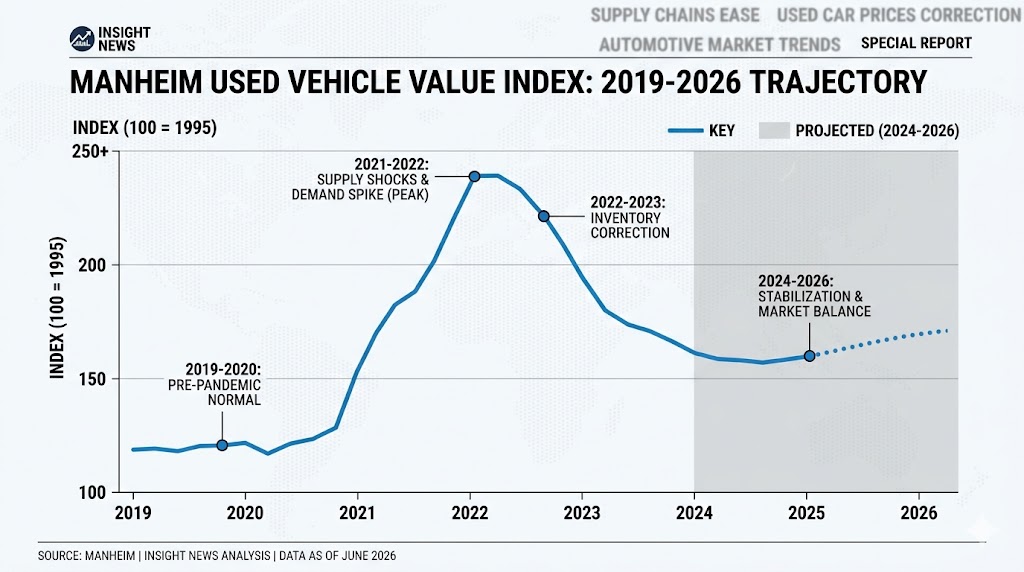
Resale value deserves particular attention for family buyers because family vehicles tend to accumulate miles quickly between school runs, activities, and road trips, and higher mileage accelerates depreciation. Categories and specific models with strong reputations for reliability tend to hold value better because used-car buyers trust them to keep running with reasonable maintenance, and that reputation is worth researching through reliability surveys and owner-reported data rather than assuming based on brand image alone. Warranty coverage is the other half of the equation: a longer powertrain or bumper-to-bumper warranty shifts risk away from you in the early years of ownership, which matters more if you're keeping the vehicle long-term rather than trading in every few years.
Sedans and wagons, often overlooked because SUVs dominate marketing budgets and dealer lots, deserve a mention on the value axis. A well-equipped midsize sedan typically costs less to purchase, fuel, and insure than a comparably equipped SUV, while still offering a trunk that handles strollers, sports gear, and grocery runs for families who don't need three rows or extra ride height. The trade-off is reduced cargo flexibility compared to an SUV's liftgate, but for a family that mostly drives on paved roads, that trade-off may be worth the savings.
Weighing the Categories Against Your Own Priorities
Once you've internalized these three criteria, the practical next step is ranking the categories against your specific situation rather than searching for someone else's universal top ten. A family with young kids doing a lot of local driving will likely find a minivan hard to beat on space and daily usability. A family that splits time between city and highway driving, wants some all-wheel-drive capability, and needs occasional third-row seating might lean toward a three-row midsize SUV despite the higher price and lower fuel economy. A smaller family or one with teenagers who don't need a third row may get the best value from a two-row SUV or a well-reviewed sedan, banking the savings for other priorities.
Whichever category you land on, treat any specific-model shortlist as a starting point rather than a final verdict. Pull the current IIHS and NHTSA ratings for the exact model year and trim, confirm which driver-assist features are standard versus optional, check current pricing since it shifts throughout the year, and look up recent reliability data for that specific model year rather than relying on a nameplate's historical reputation alone.
Key Takeaways
- No single ranked list of ten models can be "best" for every family, because safety, space, and value trade off differently depending on your household's specific needs.
- Always verify current-year IIHS and NHTSA ratings directly rather than relying on a score from a prior model year or an older article.
- Third-row usability and LATCH access matter more in daily life than the cargo and passenger numbers printed on a spec sheet.
- Minivans remain the most space-efficient format for loading kids and gear, even though three-row SUVs and two-row SUVs often win on styling and ride height.
- Total cost of ownership—insurance, fuel, maintenance, and resale value—usually matters more to your long-term budget than the sticker price.
- Bottom line: decide which category (minivan, three-row SUV, two-row SUV, or sedan) best matches your family's daily routine first, then verify current safety ratings and pricing on your specific finalists before you buy.