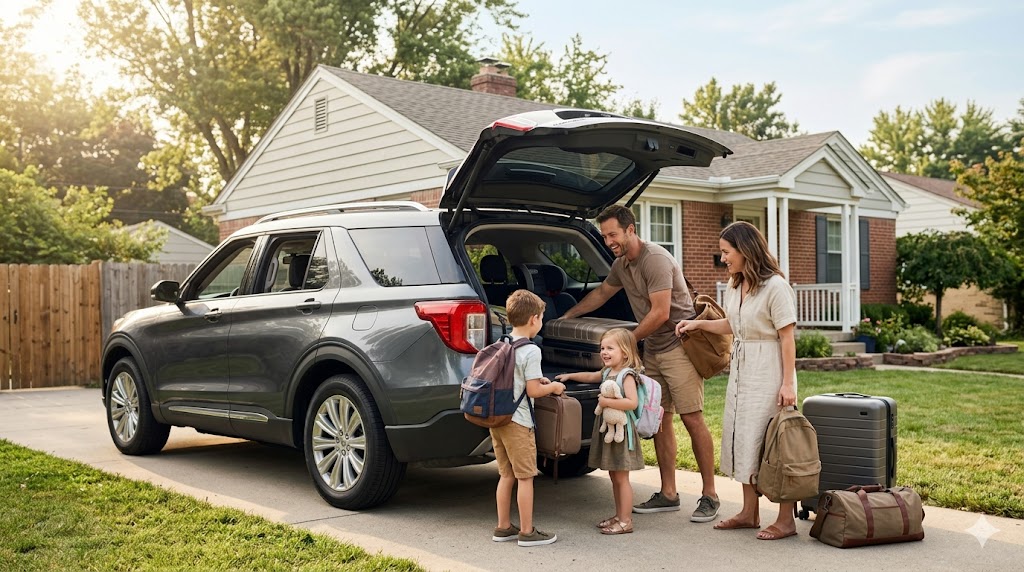
You sit down to sign the paperwork on a new SUV, and the monthly payment on the screen is a few hundred dollars less than what you calculated at home. The dealer explains that the loan is structured a little differently: a big chunk of the price gets pushed to the end, due in a single payment when the term is up. It feels almost like a lease, except the car is yours the whole time. That gap between what you expected to pay and what the finance manager just quoted you is the entire story of balloon payment financing, and understanding it before you sign is the difference between a smart short-term move and a financial trap that surfaces years down the road.
How a Balloon Loan Actually Works
A conventional auto loan divides the full purchase price, plus interest, evenly across every monthly payment until the balance hits zero. A balloon loan changes that math. The lender sets aside a portion of the vehicle's projected value, sometimes tied to an estimate of what the car will be worth at the end of the term, and excludes that amount from the regular monthly calculation. You only pay down the remaining balance over the life of the loan, which makes each installment noticeably smaller than a standard amortization schedule would produce. Then, when the term ends, whatever was set aside comes due all at once as the balloon payment.
The size of that final payment depends on the lender and the structure of the deal, but it can represent a large share of the original loan amount. That's the mechanical trade-off: smaller payments now, in exchange for a large obligation later. Nothing about the total cost of the car disappears. It's deferred, and deferred balances that carry interest generally cost you more over the life of the loan than a standard fully amortizing structure would.
Guaranteed Buyback and Residual Value Programs
Guaranteed buyback or residual-value programs are a variation built around the same core idea, but they add a safety valve. Instead of leaving you exposed to whatever the balloon payment turns out to be, the lender or manufacturer-affiliated finance arm guarantees a minimum trade-in or buyback value for the vehicle at a set point in the loan, provided you meet certain conditions. Those conditions typically involve mileage caps, required maintenance records, and an inspection standard for wear and condition that mirrors what you'd see at the end of a lease.
If you meet the terms, you generally have a few options: hand the car back and walk away, apply the guaranteed value toward the balloon payment and keep any difference in equity, or trade it toward another purchase. The appeal is real: lease-like flexibility while technically owning the vehicle, which can matter for insurance requirements or simply the comfort of holding a title. But that guarantee is not free or unconditional. Read the specific contract for any program a dealer offers, because mileage allowances, condition standards, and eligibility windows vary considerably and determine whether the guarantee will actually apply when the time comes.
The Appeal: Why Buyers Choose This Structure
The obvious draw is affordability on paper. A lower monthly payment can put a vehicle within reach that would otherwise stretch a budget too thin under a standard loan, and for buyers who know they won't keep a car long-term, that flexibility can genuinely make sense. If you tend to trade in every three or four years anyway, structuring the loan around that timeline and paying only for the depreciation you actually use has a certain logic to it, similar to why leasing appeals to the same kind of buyer.
There's also a comfort in ownership that leasing doesn't offer. You can drive without a lease's day-to-day mileage anxiety, modify the car if you want, and you're not locked into returning it in showroom condition. If your circumstances change and you decide to keep the car, you can choose to pay off or refinance the balloon rather than being forced into a new vehicle the way a lease term forces a decision.
The Risk Buyers Underestimate
The risk sits almost entirely in that final balloon payment, and it comes in three forms. First, there's the straightforward cash flow problem: you need a lump sum, a new loan, or a trade-in worth enough to cover the balance when the term ends, and not every buyer plans that far ahead. Life happens between year one and year five of a loan, and a job change, a move, or an unexpected expense can leave you without a good option when the balloon comes due.
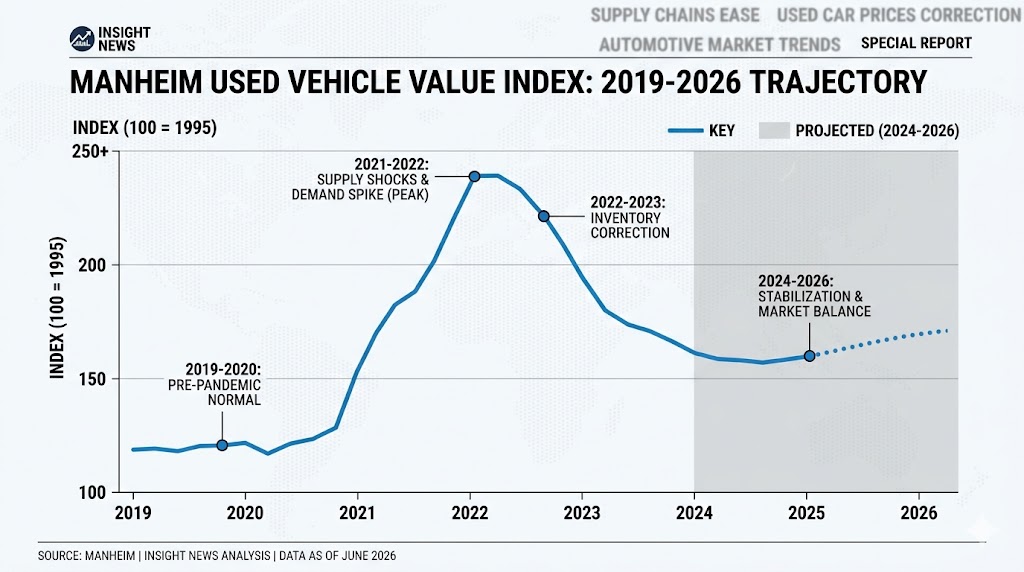
Second, if you don't have a guaranteed buyback provision, or you fail to meet its conditions, you're exposed to whatever the car is actually worth in the used market at that moment. Values can swing based on factors outside your control, including fuel prices, new model releases, or broader used-car market shifts. If the car's real value falls short of the balloon amount, you're underwater, owing more than the asset is worth, which can follow you into your next purchase if you try to trade in before resolving the difference.
Third, even guaranteed buyback programs come with fine print that can work against you. Mileage overages typically trigger a per-mile charge that erodes or eliminates the value of the guarantee. Excess wear, from interior stains to curb-rashed wheels to a cracked windshield, can be assessed against you at trade-in time, sometimes more strictly than buyers expect. And the guarantee itself is usually only valid if you've maintained the car according to the manufacturer's schedule and kept records to prove it, which means skipping a service appointment could technically void the protection you thought you had.
Total Cost and the GAP Coverage Question
Because a larger share of the balance sits untouched for longer, balloon structures often accrue more interest over the life of the loan than a comparable standard loan would, even when the advertised rate looks similar. It's worth running the full amortization schedule, not just comparing monthly payments, before deciding a balloon deal is actually the cheaper path. Ask the finance office for the total of all payments plus the balloon amount, and compare that figure directly against a conventional loan for the same vehicle and term.
Gap coverage deserves specific attention here. Because balloon loans can leave a larger balance outstanding relative to the car's depreciating value in the early years, a total loss from an accident or theft could leave a bigger hole between what insurance pays out and what you still owe. If you're financing this way, it's worth asking explicitly whether gap coverage is included, available as an add-on, or already built into a guaranteed buyback program's protections, since the answer differs by lender and by product.
Deciding Whether the Trade-Off Fits You
The honest answer to whether balloon financing and buyback programs are worth it depends less on the product and more on your own certainty about the future. If you know you'll want a different vehicle in three to five years, you maintain cars carefully, and you're comfortable tracking mileage against a cap, the structure can deliver real value and flexibility. If your driving habits are unpredictable, if you tend to keep vehicles well past a typical loan term, or if you'd struggle to produce a lump sum on short notice, a standard fully amortizing loan removes that uncertainty entirely, even if the monthly payment is higher.
This article is general information about how these financing structures typically work and is not financial or legal advice; loan terms vary by lender and manufacturer program, so review your actual contract and consult a financial advisor or the lender directly before signing.
Key Takeaways
- Balloon loans lower your monthly payment by deferring a large portion of the vehicle's cost to a single lump-sum payment due at the end of the term.
- Guaranteed buyback programs add a safety net by promising a minimum trade-in value, but only if you meet mileage, condition, and maintenance requirements spelled out in the contract.
- The total interest paid over a balloon loan's life can exceed that of a standard loan, so compare full payment totals rather than just the monthly figure.
- Negative equity risk is highest if you have no buyback guarantee and the car's market value falls short of the balloon amount.
- Ask specifically about gap coverage, mileage caps, and wear-and-tear standards before choosing this structure, since these details determine whether the "flexibility" actually holds up at the end of the term.
- Bottom line: balloon and buyback financing can work well for disciplined buyers who reliably trade in on a predictable cycle, but a conventional loan is the safer default if your future plans or driving habits are uncertain.